
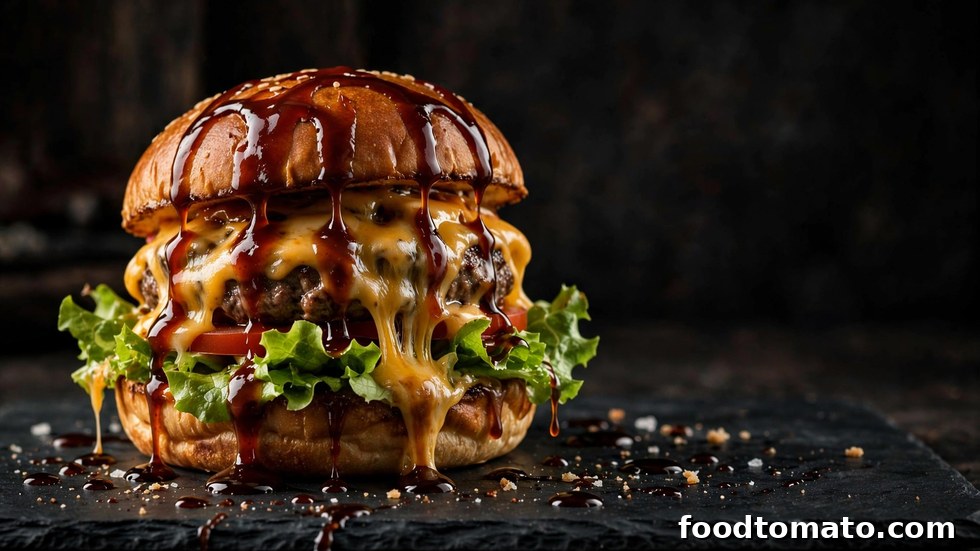
A great burger deserves better than the squeeze bottle. Balsamic glaze ketchup is the condiment equivalent of trading sneakers for leather shoes: the same reliable tomato foundation, finished with the dark, syrupy, sweet-tart complexity of real balsamic vinegar. As the ketchup simmers, the balsamic concentrates, wrapping the tomatoes in notes of fig, cherry, and oak that make every bite taste deliberate. This is the ketchup you serve when you want guests to ask what is in it — on a thick pub-style burger with blue cheese, or alongside a charcuterie board. It looks almost black-red in the jar, glossy as lacquer, and tastes like the grown-up version of the ketchup you grew up with.
Why Balsamic Vinegar Elevates Ketchup
Most ketchup gets its tang from distilled or cider vinegar — clean, sharp acids that do their job and disappear. Balsamic, made from cooked grape must aged in wooden barrels, carries concentrated flavors of dark fruit, caramel, and wood alongside its acidity. Simmered into ketchup, its harsh edge softens while the fruity, wine-like depth intensifies, giving a luxurious roundness and a lingering savory-sweet finish. It also deepens the color to a gorgeous dark mahogany. The trick is balance: balsamic is potent, so it seasons the ketchup rather than replacing all the vinegar. Used at the right ratio, it makes the tomato taste more expensive without masking it.
Ingredients
Makes about 2 1/2 cups (roughly 40 tablespoons).
- 2 cans (28 ounces / 800 g each) crushed tomatoes
- 1 small red onion, finely diced
- 3/4 cup balsamic vinegar of Modena
- 1/4 cup apple cider vinegar
- 1/2 cup dark brown sugar, packed
- 2 tablespoons honey
- 3 tablespoons tomato paste
- 2 cloves garlic, minced
- 1 teaspoon fine sea salt, plus more to taste
- 1/2 teaspoon black pepper
- 1/2 teaspoon dried thyme
- 1/4 teaspoon ground allspice
- 1 bay leaf
- 1/2 cup water
- 1 tablespoon olive oil
Step-by-Step Instructions
- Reduce the balsamic. Simmer the balsamic in a small saucepan over medium-low heat 8 to 10 minutes, until reduced by half and syrupy. Watch closely at the end — it goes from syrupy to burnt quickly. Set aside.
- Sweat the aromatics. Heat the olive oil in a large heavy pot over medium heat. Cook the red onion 6 to 7 minutes until soft and sweet. Stir in the garlic and thyme; cook 1 minute more.
- Toast the paste and spices. Add the tomato paste, allspice, and black pepper. Stir 2 minutes until the paste darkens to brick red.
- Combine. Add the crushed tomatoes, water, reduced balsamic, cider vinegar, brown sugar, honey, salt, and bay leaf. Stir well.
- Simmer low and slow. Bring to a gentle boil, reduce to low, and simmer uncovered 60 to 75 minutes, stirring every 10 minutes. Remove the bay leaf. The ketchup should be thick, dark, and glossy.
- Blend silky smooth. Cool 10 minutes, then blend 2 to 3 minutes until completely smooth. Strain through a fine-mesh sieve for a refined texture.
- Finish, jar, and rest. Taste warm: add salt to pop the flavor or honey if the vinegar edge is sharp. Cool completely, funnel into clean jars, and refrigerate. The flavors marry beautifully over 24 to 48 hours.
Nutrition Facts
Per tablespoon (approximately 17 g):
| Nutrient | Amount |
|---|---|
| Calories | 26 |
| Total Fat | 0.1 g |
| Sodium | 80 mg |
| Total Carbohydrates | 6.1 g |
| Sugars | 5.3 g |
| Protein | 0.4 g |
| Fiber | 0.3 g |
Tips for the Best Balsamic Glaze Ketchup
Choose the right balsamic
You do not need the hundred-dollar bottle — but avoid the cheapest, harshest ones too. Look for a balsamic of Modena labeled IGP with grape must as the first ingredient and no added caramel color. Since you are reducing it, a mid-range bottle concentrates beautifully.
Reduce the balsamic separately
Reducing on its own caramelizes the balsamic’s sugars without interference from the tomatoes, giving deep, syrupy, fig-like character. Reducing it inside the tomato mixture would overcook the tomatoes before reaching the same concentration. Ten minutes in a small pan is worth it.
Watch the sweetness balance
Balsamic brings its own sweetness, so this ketchup needs less added sugar — but it still needs some. Cut the sugar too far and the vinegar dominates, tasting like gastrique rather than ketchup. Aim for sweet and tart in equilibrium.
Variations and Flavor Adjustments
For fig-balsamic ketchup, simmer 4 chopped dried figs with the tomatoes and blend them in — stunning with pork. For rosemary-black pepper, add a fresh rosemary sprig during the simmer (remove before blending) and double the pepper — made for lamb burgers. A cherry twist — 1/2 cup of pitted dark sweet cherries with the tomatoes — works beautifully on duck. For heat, add 1/2 teaspoon of red pepper flakes with the spices. For a white-balsamic version, swap in white balsamic for the same fruity complexity with a brighter ruby color.
Storage
Refrigerated in clean airtight jars, it keeps 6 to 8 weeks — the double vinegar makes it one of the most stable homemade ketchups. Water-bath can in sterilized half-pint jars for 15 minutes for pantry storage up to a year. It freezes well in ice-cube trays. Its dark, glossy look also makes an impressive homemade gift in small glass jars.
Best Ways to Use It
- Gourmet burgers — the signature pairing; try blue cheese, caramelized onions, and arugula on brioche.
- Charcuterie boards — serve in a ramekin next to aged cheddar and prosciutto.
- Grilled steak and lamb — the dark fruit notes complement red meat beautifully.
- Roasted vegetables — drizzle over Brussels sprouts, carrots, or butternut squash.
- Meatloaf and meatballs — brush over the top before baking for a glossy, upscale glaze.
- Truffle or parmesan fries — for a proper bistro experience at home.
Frequently Asked Questions
Will it taste like vinegar?
No — reducing cooks off the harsh volatile acids and concentrates the sweet, fruity character. The finished ketchup tastes rich and complex with a pleasant tang. If it seems too vinegary, it needs more simmering or a touch more honey.
Can I skip reducing the balsamic?
You can add it straight to the pot, but the result will be thinner and sharper. The 10-minute reduction transforms the flavor, so it is worth doing. In a real hurry, stir 1/3 cup of store-bought balsamic glaze into the finished ketchup instead.
Why is my ketchup so dark?
That deep mahogany, almost black-red color is exactly right — the reduction concentrates the balsamic’s color along with its flavor. It should look glossy and jewel-like, not muddy.
Can I use this as a barbecue sauce?
Yes — thin it with a splash of water when brushing on ribs or chicken. The balsamic caramelizes beautifully under heat for a lacquered glaze. Watch it closely over direct flame, since the sugars can burn fast.
Key Takeaways
- Reducing the balsamic separately concentrates its dark fruit and caramel notes while taming harsh acidity — the defining technique here.
- Choose a mid-range balsamic of Modena with grape must as the first ingredient; avoid harsh bargain vinegars.
- A 60 to 75 minute simmer builds the thick, glossy, mahogany texture and marries the balsamic with the tomato base.
- Refrigerated it keeps 6 to 8 weeks and cans for a year; its jewel-like look makes it an impressive homemade gift.
Balsamic glaze ketchup proves one thoughtful ingredient can transform something ordinary into something memorable. Make a batch for burger night, set it out in a little ramekin, and enjoy the moment someone asks for the recipe. Then explore our other homemade ketchup recipes for your next upgrade.