
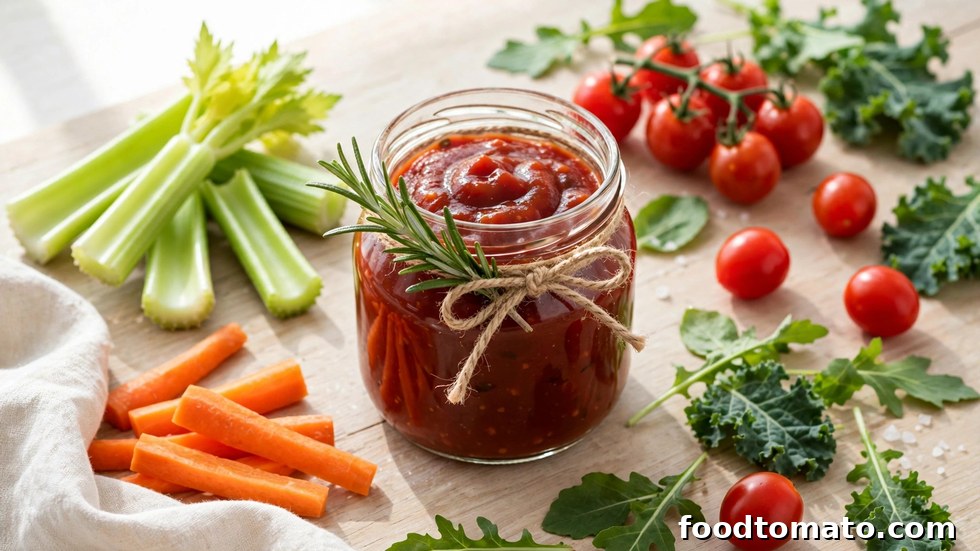
Here is a number that surprises most home cooks: a single tablespoon of commercial ketchup can contain 150 to 190 milligrams of sodium, and it is easy to eat three or four tablespoons with one meal. If you are watching your blood pressure or following a doctor-recommended low-sodium diet, that adds up fast. The frustrating part is that store-bought “low-sodium” ketchups often taste flat, with the salt replaced by extra sugar. This homemade low-sodium ketchup recipe takes a different approach. Instead of simply removing salt and hoping for the best, it rebuilds the flavor with extra spices, roasted aromatics, and a longer simmer that concentrates the tomatoes’ natural savoriness. The result is a rich, full-flavored ketchup with roughly half the sodium of the leading brands — and none of the compensating sugar rush.
Why Sodium in Ketchup Matters
Sodium is not the enemy — your body needs it — but most of us get far more than the recommended 2,300 milligrams per day, with condiments contributing more than people realize. Ketchup is used in generous amounts, so it is a smart place to cut back without feeling deprived. Homemade low-sodium ketchup works because you can lean on the things salt usually masks: caramelized tomato depth, warm spices, and bright acidity. Your taste buds also adjust quickly; after a week or two of lower-sodium eating, this ketchup will taste perfectly seasoned.
Ingredients You’ll Need
This recipe makes about 2 cups (32 tablespoons) of ketchup. Use no-salt-added canned tomatoes, or sodium will creep back in before you start.
- 1 can (28 oz) no-salt-added crushed tomatoes
- 1 medium yellow onion, chopped
- 3 cloves garlic, minced
- 1/2 cup apple cider vinegar
- 1/3 cup honey or brown sugar
- 2 tablespoons tomato paste
- 1 teaspoon salt (about half the usual amount)
- 1 teaspoon smoked paprika
- 1/2 teaspoon ground allspice
- 1/2 teaspoon ground cinnamon
- 1/4 teaspoon ground cloves
- 1/4 teaspoon black pepper
- 1/2 teaspoon celery seed
- 1 bay leaf
Step-by-Step Instructions
- Build the flavor base. In a large saucepan or Dutch oven, combine the tomatoes, onion, and garlic. Cook over medium heat for 10–12 minutes until the onion softens and the mixture smells fragrant.
- Add the rest. Stir in the vinegar, honey, tomato paste, salt, smoked paprika, allspice, cinnamon, cloves, black pepper, celery seed, and bay leaf.
- Simmer gently. Bring to a gentle boil, then reduce the heat to low. Simmer uncovered for 35–45 minutes, stirring regularly, until thick and dark red.
- Blend until smooth. Remove the bay leaf and blend with an immersion blender until completely smooth.
- Strain it. Press through a fine-mesh sieve to remove seeds and skins for a silky texture.
- Adjust and finish. Taste and tweak — a touch more vinegar for brightness, a pinch more salt if needed. Simmer 5 more minutes if it is thinner than you like.
- Cool and store. Cool completely, then refrigerate in a clean jar for up to 3 weeks.
Nutrition Facts (Per Tablespoon)
The big win here is sodium — roughly half of a leading commercial brand — while sugar stays comparable to regular homemade ketchup:
| Nutrient | Low-Sodium Homemade | Typical Store-Bought |
|---|---|---|
| Calories | 15 | 19 |
| Total sugar | 3g | 4.5g |
| Sodium | 75mg | 154mg |
| Total carbs | 4g | 5g |
| Potassium | 70mg | 48mg |
Tips for Flavorful Low-Sodium Ketchup
Lean on spices, not salt
Salt is a flavor amplifier, but spices are flavor creators. Smoked paprika and celery seed are the secret weapons in this recipe — they add savory depth that tricks your palate into perceiving the ketchup as well-seasoned. Toasting the spices in a dry pan for 30 seconds before adding them can intensify their aroma even further.
Caramelize your aromatics
Taking an extra 5 minutes to let the onion and garlic cook down until golden adds natural sweetness and umami that salt would otherwise provide. Do not skip this step or rush it — those browned edges are where the deep flavor lives.
Use acid strategically
Vinegar brightens flavors the way salt does, but too much makes ketchup harsh. Add the full half cup during cooking (it mellows), then taste at the end and add a teaspoon more only if the ketchup tastes flat. A small squeeze of lemon juice can also lift the flavor without adding sodium.
Easy Variations to Try
- No-added-salt version: omit the salt entirely and add an extra 1/2 teaspoon of celery seed and a squeeze of lemon juice at the end.
- Roasted garlic: roast a whole head of garlic until soft and blend it in for mellow sweetness.
- Balsamic twist: replace 1/4 cup of the apple cider vinegar with balsamic vinegar for richer depth.
- Herb-infused: simmer a sprig of fresh thyme or oregano with the bay leaf for an Italian-leaning ketchup.
How to Store Low-Sodium Ketchup
Salt is a mild preservative, so this reduced-sodium version should be refrigerated promptly and used within 3 weeks. Store it in a clean, airtight jar, and always use a clean spoon to serve — introducing crumbs or other food shortens its life. For longer storage, freeze it in ice-cube trays and keep the cubes in a freezer bag for up to 3 months.
Frequently Asked Questions
Is low-sodium ketchup safe for people with high blood pressure?
Reducing sodium is a common dietary strategy for managing blood pressure, and cutting the sodium in a daily-use condiment like ketchup can meaningfully lower your intake. That said, dietary needs vary from person to person — talk to your doctor or a registered dietitian about the right sodium target for you before making changes.
Can I make it with no salt at all?
Yes. The recipe works without any added salt, though you may want to bump up the celery seed and smoked paprika to compensate. Salt-free versions should be eaten within 2 weeks, since there is even less preservation working in your favor.
Why does my low-sodium ketchup taste bland?
Usually the issue is under-seasoning with spices rather than under-salting. Make sure you used the full amounts of smoked paprika, celery seed, and pepper, and that your spices are fresh — ground spices lose potency after about a year. Also try the taste test at room temperature, since cold food tastes less flavorful.
Does reducing salt change the texture?
Not noticeably. Salt has little effect on ketchup thickness; the simmer time and straining determine texture. Your ketchup will be just as thick and glossy as the full-salt version.
Key Takeaways
- This recipe cuts sodium to about 75mg per tablespoon — roughly half of leading commercial brands — without adding extra sugar.
- Smoked paprika, celery seed, and caramelized aromatics replace the flavor depth that salt normally provides.
- Always start with no-salt-added tomatoes so you control every milligram of sodium yourself.
- Refrigerate and use within 3 weeks, or freeze portions for up to 3 months.
Ready to lighten up your condiment game without sacrificing flavor? Try this recipe this week and notice how quickly your palate adjusts — you may be surprised how little salt you actually need. For more health-conscious versions, explore our keto and diabetic-friendly ketchup recipes next.