
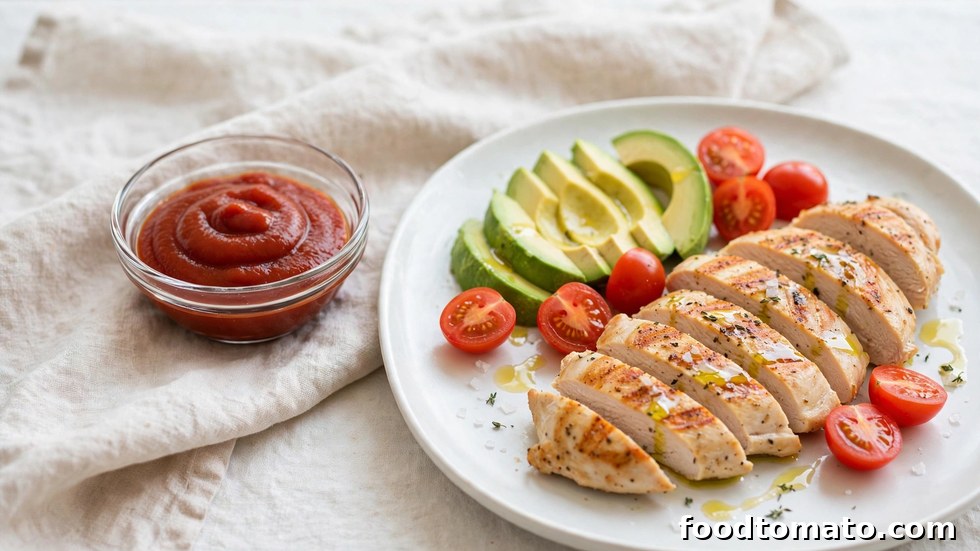
If you are following a ketogenic diet, the ketchup bottle in your fridge is probably your biggest hidden-carb trap. A single serving of regular ketchup packs four or more grams of sugar, and most brands sweeten it with high-fructose corn syrup — the exact opposite of what keto is about. The good news is that a truly delicious low-carb ketchup is one of the easiest keto swaps you can make at home. This keto-friendly ketchup recipe delivers the classic sweet-tangy flavor you love, thick enough to coat fries and bold enough for burgers, with less than one gram of net carbs per tablespoon. You will need about 40 minutes, a handful of pantry staples, and a zero-carb sweetener. Once you taste it, you may never go back to the store-bought “low-carb” bottles that still sneak in unwanted sugars.
Why Regular Ketchup Isn’t Keto-Friendly
A standard tablespoon of commercial ketchup contains around 4 to 5 grams of sugar, almost entirely from added sweeteners. Tomatoes themselves contribute some natural sugar, but the added portion is what breaks a keto budget — just two tablespoons can eat up half of a strict 20-gram daily carb limit. Even ketchups marketed as “reduced sugar” often replace corn syrup with fruit juice concentrates, which count toward your carb total just the same. Making your own ketchup gives you full control: you choose the sweetener, you control the amount, and there are no hidden starches or maltodextrin thickeners to worry about.
Ingredients You’ll Need
This recipe makes about 1 1/2 cups (24 tablespoons) of ketchup. Erythritol or allulose both work well as the sweetener; allulose gives a slightly smoother texture and less cooling aftertaste.
- 1 can (28 oz) crushed tomatoes, no added sugar
- 1/2 cup apple cider vinegar
- 1/2 cup powdered erythritol or allulose
- 2 tablespoons tomato paste, no added sugar
- 1 teaspoon onion powder
- 1/2 teaspoon garlic powder
- 1 1/2 teaspoons salt
- 1/2 teaspoon ground allspice
- 1/2 teaspoon ground cinnamon
- 1/4 teaspoon ground cloves
- 1/4 teaspoon cayenne pepper (optional)
- 1 bay leaf
- 1/2 teaspoon xanthan gum (optional, for extra thickness)
Step-by-Step Instructions
- Combine the base. In a medium saucepan, stir together the crushed tomatoes, apple cider vinegar, erythritol, and tomato paste until well mixed.
- Add the seasonings. Stir in the onion powder, garlic powder, salt, allspice, cinnamon, cloves, cayenne (if using), and the bay leaf.
- Simmer low and slow. Bring the mixture to a gentle boil over medium heat, then reduce to low. Simmer uncovered for 30–35 minutes, stirring every few minutes. The ketchup should darken and thicken noticeably.
- Remove the bay leaf and blend. Fish out the bay leaf, then blend with an immersion blender until completely smooth.
- Strain for silkiness. Press the blended ketchup through a fine-mesh sieve to remove seeds and any remaining solids.
- Thicken if needed. Return to the pot over low heat. If it is thinner than you like, sprinkle in the xanthan gum while whisking constantly and simmer 2 more minutes — a little goes a long way.
- Cool and store. Let the ketchup cool completely, then transfer to a clean jar or squeeze bottle. Refrigerate for up to 3 weeks.
Nutrition Facts (Per Tablespoon)
These values are approximate and will vary slightly with your brand of tomatoes and sweetener. Because sugar alcohols like erythritol are not fully digested, the net carb count stays keto-safe:
| Nutrient | Amount |
|---|---|
| Calories | 8 |
| Total carbs | 2g |
| Fiber | 0.5g |
| Net carbs | 0.7g |
| Sugar (naturally occurring) | 1g |
| Added sugar | 0g |
| Sodium | 110mg |
| Fat | 0g |
| Protein | 0.3g |
Tips for the Best Keto Ketchup
Pick the right sweetener
Erythritol is cheap and widely available, but it can recrystallize slightly when chilled and leaves a mild cooling sensation. Allulose tastes closer to real sugar and stays smooth in the fridge, though it costs more. Avoid stevia-only sweeteners for ketchup — the bitter note clashes with the vinegar tang. A blend of erythritol and a pinch of monk fruit extract often gives the most natural flavor.
Balance acidity without sugar
Sugar does more than sweeten ketchup; it rounds off the vinegar’s sharpness. Without it, taste carefully at the end. If the ketchup tastes too sharp, add an extra tablespoon of sweetener or a pinch more salt rather than more vinegar. The cinnamon and allspice also help by adding perceived sweetness without any carbs.
Cook it thick enough
Keto ketchup made without sugar can look thinner at first because sugar contributes body. Do not rush the simmer — reducing the mixture properly is what creates that classic cling. The xanthan gum is a reliable backup, but remember it thickens as it cools, so stop simmering when the ketchup is just slightly looser than you want.
Easy Variations to Try
- Smoky bacon-style: add 1 teaspoon smoked paprika and 1/2 teaspoon liquid smoke for a barbecue-ketchup hybrid.
- Spicy jalapeño: simmer one deseeded jalapeño with the tomatoes and blend it in.
- Curry keto: replace the allspice and cloves with 2 teaspoons of mild curry powder.
- Extra-tangy: swap 2 tablespoons of the apple cider vinegar for distilled white vinegar.
How to Store Keto Ketchup
Because this recipe has no sugar (which acts as a mild preservative), keep it refrigerated in a sealed jar and use it within 3 weeks. For longer storage, freeze portions in ice-cube trays, then move the cubes to a freezer bag — they keep for up to 3 months and thaw quickly at room temperature. Stir well after thawing, as a little separation is normal.
Frequently Asked Questions
Will this ketchup kick me out of ketosis?
At under 1 gram of net carbs per tablespoon, this ketchup fits comfortably into even a strict 20-gram daily carb limit. The natural sugars come only from tomatoes, and erythritol and allulose have minimal impact on blood sugar for most people. As always, track your total intake if you are eating it alongside other carb-containing foods.
Can I use fresh tomatoes instead of canned?
Yes. Use about 2 1/2 pounds of ripe paste tomatoes, chopped, in place of the canned tomatoes. Fresh tomatoes release more water, so plan on an extra 10–15 minutes of simmering to reach the right thickness.
Why does my ketchup taste bitter?
Bitterness usually comes from one of three sources: a stevia-based sweetener, underripe tomatoes, or scorched spices. Switch to erythritol or allulose, use fully ripe tomatoes, and keep the heat low while stirring regularly to prevent scorching on the bottom of the pot.
Can I can this recipe for shelf storage?
Water-bath canning requires enough acid and sugar to be safe, and sugar substitutes do not preserve the same way. Stick with refrigerator or freezer storage for this recipe. If you want a shelf-stable version, consult tested canning recipes from a reliable source and follow their sweetener guidelines exactly.
Key Takeaways
- Regular ketchup has 4–5 grams of sugar per tablespoon; this keto version has under 1 gram of net carbs with zero added sugar.
- Erythritol or allulose replace the sugar cleanly — allulose gives the smoothest, most sugar-like result.
- Simmer uncovered for 30–35 minutes and finish with xanthan gum if you want extra-thick ketchup.
- Refrigerate for up to 3 weeks or freeze in portions for 3 months; stir well after thawing.
Give this recipe a weekend trial and see how effortless a keto pantry staple can be — your burgers, meatloaf, and roasted veggies will taste like they never missed the sugar. And once you have mastered this base, check out our paleo and low-sodium ketchup recipes for more ways to customize your condiment game.