
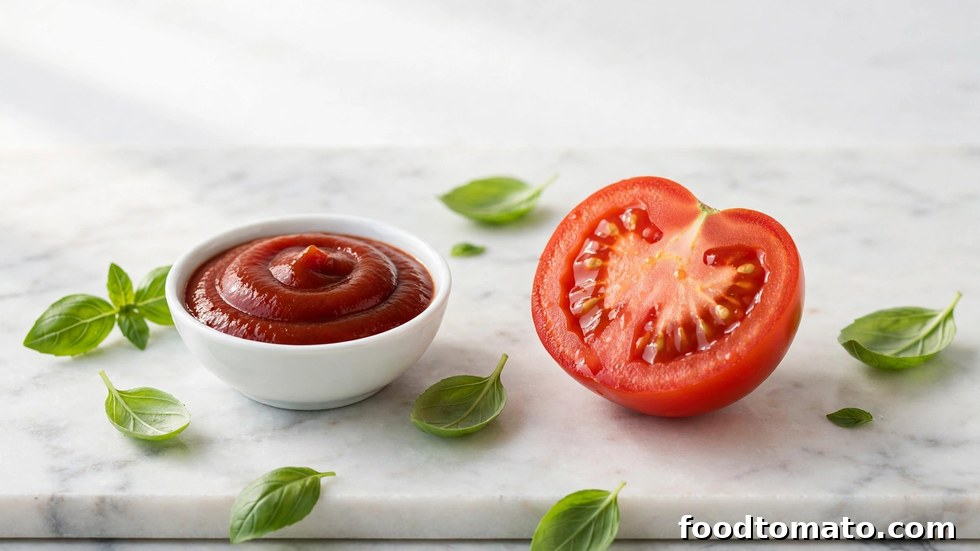
Ketchup might be the most debated condiment in the kitchen. One camp calls it liquid candy loaded with corn syrup; the other points out it is basically cooked tomatoes, one of the healthiest foods on earth. As usual, the truth sits somewhere in the middle. Ketchup is neither a health food nor a dietary villain — it is a condiment, and condiments are judged by what they replace, how much you use, and what is in them. This article separates the myths from the facts with clear-eyed nutrition science, no hype in either direction. You will learn what ketchup genuinely offers (including a surprising antioxidant), where the legitimate concerns lie, and how to enjoy it as part of a balanced diet without overthinking every squeeze.
Myth 1: “Ketchup Is Just Sugar in Disguise”
The facts: This myth has a kernel of truth. A tablespoon of regular ketchup contains 4 to 5 grams of sugar — about a teaspoon — and much of it is added. But “just sugar” is an exaggeration: tomatoes are the first ingredient in any real ketchup, contributing water, fiber, potassium, vitamin C, and lycopene alongside the natural fruit sugars. The fair version of this claim is that ketchup is a sweetened condiment, and the dose makes the poison. One measured tablespoon on a balanced meal is a different story from a quarter-cup mindlessly squeezed over fries. Homemade versions cut the added sugar further, and sugar-free recipes eliminate it almost entirely.
Myth 2: “Ketchup Has No Nutritional Value”
The facts: False — and this is where ketchup gets interesting. Cooked tomato products are among the best dietary sources of lycopene, a carotenoid antioxidant associated in observational studies with heart health and prostate health. Heat processing breaks down tomato cell walls and makes lycopene more bioavailable, which means ketchup can actually deliver more absorbable lycopene per gram than fresh tomatoes. Ketchup also provides small amounts of vitamin A, vitamin C, and potassium. These are not megadose levels — nobody should eat ketchup as a vegetable serving — but “empty calories” is not accurate either.
Myth 3: “All Ketchup Contains High-Fructose Corn Syrup”
The facts: Outdated. The leading US brands did rely on high-fructose corn syrup for decades, which is where this reputation comes from — but most major brands have since reformulated to use cane sugar or offer HFCS-free lines, and many smaller brands never used it. In Europe, corn syrup in ketchup was never as common. Today the accurate statement is that some budget ketchups still use corn syrup, so reading the ingredient list takes ten seconds and settles the question. Homemade ketchup, of course, never contains it unless you add it yourself.
Myth 4: “Ketchup Is Terrible for Weight Loss”
The facts: Misleading. At 17 to 20 calories per tablespoon, ketchup is one of the lowest-calorie condiments in the kitchen — compare mayonnaise at roughly 90 calories per tablespoon. Ketchup becomes a weight-loss problem only through portion distortion: restaurant servings and freehand squeezing can easily deliver a quarter cup (60-plus calories and 16 grams of sugar) without you noticing. Used in measured amounts, ketchup can actually support weight management by making lean proteins and vegetables more enjoyable. The enemy is the pour, not the product.
Myth 5: “Homemade Ketchup Is Always Healthier”
The facts: Usually true, but not automatic. Homemade ketchup can be significantly lower in sodium and free of additives — but only if you actually reduce the salt and sugar when you make it. A homemade recipe loaded with a full cup of brown sugar is not healthier than a restrained commercial bottle. The real advantage of homemade is control: you decide the sweetener, the amount, and the salt level. Our nutritional breakdown article shows the typical homemade advantage is about 40 percent less sodium and 1 to 1.5 grams less sugar per tablespoon — meaningful, but not magical.
The Legitimate Concerns, Honestly Stated
- Added sugar adds up. Ketchup is rarely the biggest sugar source in a meal, but it contributes — especially for kids, who are the heaviest ketchup users.
- Sodium is significant. At 140 to 190mg per tablespoon in commercial brands, heavy users can get a meaningful fraction of their daily sodium from ketchup alone.
- Acidity can bother sensitive stomachs. The vinegar-tomato combination can trigger heartburn or reflux in susceptible people; that is about acidity, not “toxins.”
- It is not a vegetable serving. The lycopene is real, but ketchup should never replace actual vegetables in your diet.
How to Enjoy Ketchup the Healthy Way
The healthiest approach to ketchup is refreshingly boring: choose a good product, use a reasonable amount, and pair it with real food. Pick ketchup without high-fructose corn syrup and with a short ingredient list. Measure your serving once so your “tablespoon” is not secretly three. Use it to make nutritious foods more appealing — grilled chicken, roasted vegetables, lentil patties — rather than as the main event on a plate of fries. And if you want the cleanest possible version, make it yourself: an hour of cooking gives you weeks of ketchup with exactly the sugar and salt levels you choose. If you have a medical condition affected by sugar, sodium, or acidity, discuss condiment choices with your healthcare provider rather than relying on general articles.
Frequently Asked Questions
Is ketchup bad for your heart?
Ketchup itself is not a heart-health villain. Its lycopene content is modestly beneficial, while its sodium is the main concern for blood pressure. For most people, moderate ketchup use within an overall balanced diet is not a cardiovascular issue. People managing hypertension should favor low-sodium versions and watch portions.
Can diabetics eat ketchup?
Many people with diabetes include small amounts of ketchup in their meal plans, but the added sugar in regular ketchup needs to be counted. No-added-sugar versions — homemade or store-bought — make this much easier. Individual needs vary, so work with your doctor or dietitian on what fits your plan.
Is ketchup a vegetable?
No — this is a fun political footnote (a 1980s US school-lunch proposal briefly classified it as one), not nutrition science. Ketchup contains tomato-derived nutrients, but the sugar, salt, and small serving size mean it cannot substitute for vegetables.
Does organic ketchup make it healthy?
Organic ketchup avoids synthetic pesticides and usually skips corn syrup, which is a genuine quality upgrade. But nutritionally it is very close to conventional ketchup — similar calories, sugar, and sodium. “Organic” describes how it was farmed, not whether it is a health food.
Key Takeaways
- Ketchup is neither health food nor junk food — it is a low-calorie condiment with real lycopene and real added sugar; portion size decides which matters more.
- The myths that ketchup is “just sugar” or “has no nutrition” are both wrong; the legitimate concerns are added sugar, sodium, and portion creep.
- Most major brands no longer use high-fructose corn syrup, but checking the label takes seconds.
- Homemade ketchup gives you control over sugar and salt, but only if you actually use less — the recipe, not the method, determines the health impact.
So go ahead and enjoy your ketchup — just respect the tablespoon. Try making a batch at home to see how good the real thing tastes, and explore our keto, low-sodium, and diabetic-friendly recipes to find the version that fits your table best.