
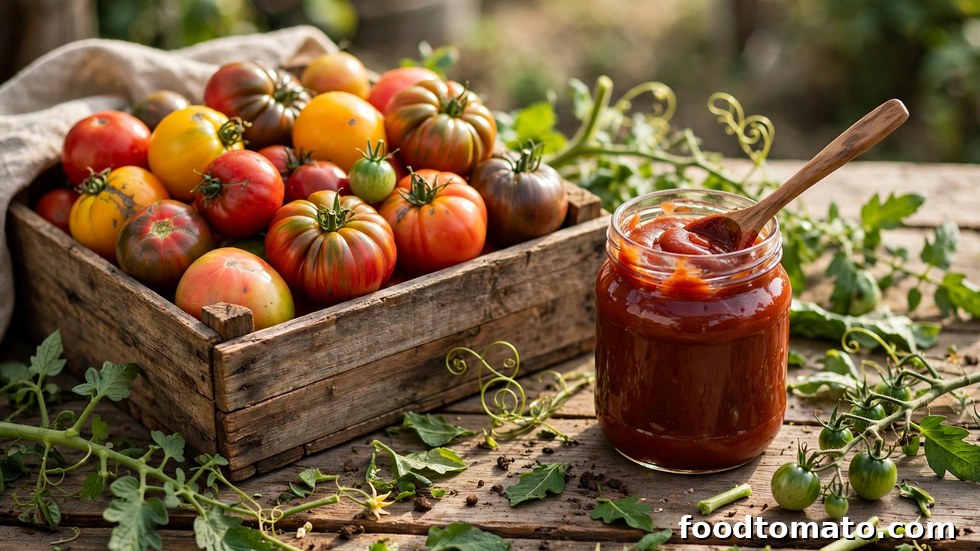
Flip over a bottle of conventional ketchup and you will often find a short list of red flags: high-fructose corn syrup, “natural flavors,” and preservatives — all derived from conventionally grown tomatoes treated with synthetic pesticides. Organic ketchup promises something simpler: tomatoes grown without synthetic pesticides or fertilizers, sweeteners from organic sources, and a shorter, cleaner ingredient list. But is organic ketchup genuinely worth the higher price, or is it just marketing? This guide breaks down what “organic” actually means on a ketchup label, which ingredients matter most, how organic and conventional ketchup compare nutritionally, and when it makes sense to buy organic versus make your own. By the end, you will know exactly what to look for — and what to ignore — next time you stand in the condiment aisle.
What “Organic” Means on a Ketchup Label
In the United States, a ketchup labeled “USDA Organic” must contain at least 95 percent certified-organic ingredients, and every step — from the tomato field to the bottling plant — must be audited. Organic tomatoes are grown without synthetic pesticides, herbicides, or fertilizers, and without genetically modified seeds. The vinegar, sugar, and spices must also be organic, and artificial colors, flavors, and preservatives are prohibited. The EU organic logo carries similar requirements. Be wary of lookalike terms: “natural,” “made with organic ingredients,” and “farm fresh” are not regulated the same way and can appear on products that are mostly conventional.
Which Ingredients Matter Most
Not every ingredient in ketchup carries the same weight. Here is how to prioritize what matters when you read a label:
| Ingredient | Why It Matters | What to Look For |
|---|---|---|
| Tomatoes | The main ingredient; conventional tomatoes can carry pesticide residues | Certified-organic tomatoes or tomato paste as the first ingredient |
| Sweetener | Often the second ingredient; HFCS is the biggest concern | Organic cane sugar in modest amounts; no corn syrup |
| Vinegar | Usually distilled; less of a residue concern | Organic distilled or apple cider vinegar |
| Spices and flavorings | “Natural flavors” can hide many things | Named spices (onion, garlic, allspice) instead of vague “flavors” |
| Preservatives | Unnecessary in properly made ketchup | None — vinegar and proper processing do the job |
Organic vs. Conventional: The Nutritional Picture
Here is the honest truth: organic ketchup is not dramatically lower in calories or sugar than conventional ketchup. The nutritional profiles are close because both are, at heart, sweetened tomato condiments. Where organic versions tend to differ is in what they leave out. Many organic brands skip high-fructose corn syrup in favor of organic cane sugar, avoid artificial preservatives, and use simpler spice blends. Some studies have also found slightly higher antioxidant levels in organic tomatoes, though the difference per tablespoon of ketchup is small. The real case for organic ketchup is about farming practices and ingredient quality, not a nutrition transformation.
| Per Tablespoon | Typical Organic | Typical Conventional |
|---|---|---|
| Calories | 15–20 | 17–20 |
| Sugar | 3–4g | 4–5g |
| Sodium | 130–160mg | 140–190mg |
| High-fructose corn syrup | No | Often yes |
| Artificial preservatives | No | Sometimes |
| Typical price per bottle | Higher | Lower |
When Homemade Beats Both
If ingredient quality is your main motivation, homemade ketchup made from organic tomatoes beats any bottle on the shelf. You control the sweetener type and amount, you choose the salt level, and there are zero preservatives or flavorings of any kind. A batch made from organic canned tomatoes costs roughly the same per ounce as premium organic bottled ketchup — and you get a fresher product. The trade-off is time: about an hour of mostly hands-off cooking. For many home cooks, the sweet spot is making a big batch every few weeks and keeping a bottle of decent organic ketchup as backup.
How to Shop Smart for Organic Ketchup
- Check for the certification seal. Look for USDA Organic or the EU organic leaf logo, not just the word “organic” in the brand name.
- Read the full ingredient list. Even organic ketchup can contain 4 grams of sugar per tablespoon — organic sugar is still sugar.
- Compare sugar per serving. Among organic brands, sugar content varies; the best ones stay near 3 grams per tablespoon.
- Watch the sodium. Organic does not automatically mean low-sodium — some organic brands are saltier than conventional ones.
- Consider the bottle size. Organic ketchup often comes in smaller bottles at a higher unit price; do the per-ounce math.
Frequently Asked Questions
Is organic ketchup healthier than regular ketchup?
Marginally. It typically avoids high-fructose corn syrup and synthetic additives, and organic tomatoes may contain slightly more antioxidants. But the calorie, sugar, and sodium differences are small — portion size matters far more than the organic label for your health.
Does organic ketchup taste different?
Many people notice a fresher, more tomato-forward flavor, likely because organic brands more often use tomato paste from vine-ripened tomatoes and simpler seasoning. Blind taste tests are mixed, though — brand recipe matters more than the organic seal for flavor.
Can I make organic ketchup at home cheaply?
Yes, especially with organic canned tomatoes, which are far cheaper per pound than fresh organic tomatoes out of season. A homemade batch from a 28-ounce can of organic crushed tomatoes typically costs about the same per ounce as mid-range organic bottled ketchup.
What does “made with organic ingredients” mean?
That phrase means at least 70 percent of the ingredients are organic, but the product cannot carry the USDA Organic seal. The remaining 30 percent may include conventional ingredients. It is a step up from conventional, but not the same as certified organic.
Key Takeaways
- Certified organic ketchup guarantees organic tomatoes, no synthetic pesticides, no HFCS, and no artificial preservatives — but “natural” labels guarantee none of this.
- Nutritionally, organic and conventional ketchup are close; the real difference is ingredient quality and farming practices.
- Tomatoes and the sweetener are the two label ingredients that matter most — check both.
- Homemade ketchup from organic tomatoes gives you the cleanest ingredient list of all, at a comparable per-ounce cost.
Next time you shop, flip the bottle and read the ingredient list before the marketing claims — that is where the real story lives. And if you want the ultimate control over what goes into your ketchup, try our classic homemade tomato ketchup recipe using organic tomatoes and taste the difference yourself.