
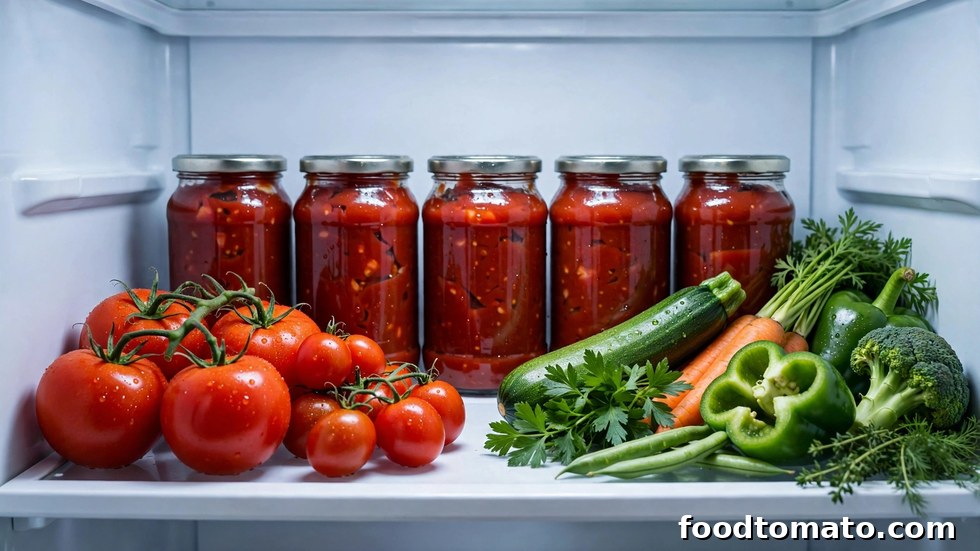
You have just made a beautiful batch of homemade ketchup — thick, glossy, and tasting nothing like the stuff in the squeeze bottle. Now comes the practical question every home cook asks: how long does it actually last? The answer depends on how you preserved it. A properly water bath canned jar behaves very differently from a fresh batch you tucked into the fridge, and both differ from a jar you have already opened. This guide lays out realistic shelf lives for every storage method, explains what shortens them, and shows you how to get the most days — and the best flavor — out of every jar you make.
The Short Answer: Shelf Life at a Glance
Homemade ketchup contains no commercial preservatives, so it never lasts as long as store-bought. But with the right method it lasts far longer than most people expect. Here is what you can count on when everything is done correctly:
| Storage method | Unopened | After opening |
|---|---|---|
| Water bath canned, cool dark pantry | 12–18 months (best quality within 12) | 3–4 weeks in the refrigerator |
| Refrigerator (uncanned, fresh batch) | 3–4 weeks | 3–4 weeks |
| Freezer | 6–12 months | Thaw and refrigerate; use within 3–4 weeks |
| Fermented ketchup, refrigerated | 3–6 months | 3–6 months |
These are quality guidelines as much as safety ones. A sealed canned jar stored properly may still be safe past 18 months, but color, flavor, and texture gradually decline, and the pleasure of homemade ketchup is its fresh taste — so aim to enjoy your jars within the first year.
Canned Ketchup: The Long Keeper
A jar that was water bath processed with a tested recipe, sealed properly, and stored at 50–70°F (10–21°C) in the dark is your longest-lasting option. The vacuum seal keeps microbes out indefinitely in theory, but quality is the real limit: after about a year the ketchup darkens, the bright tomato flavor mellows, and the top of the jar may develop a slightly deeper color. It is still perfectly good, just not at its peak.
Storage conditions matter enormously. Heat is the enemy — jars kept near a stove or in a warm garage lose quality in months rather than a year. Light fades the color. Dampness rusts lids. The ideal spot is a basement shelf, a cool pantry, or a closet, with jars kept upright and bands removed so a failed seal cannot hide.
Refrigerated Ketchup: The Everyday Jar
If you did not can your batch — maybe you made a small quantity, used an untested recipe, or simply did not feel like dragging out the canner — the refrigerator is your home for it. Pour the cooled ketchup into a clean jar or squeeze bottle and expect 3–4 weeks of good eating. The vinegar and sugar are natural preservatives, and the cold slows everything else down, but without a heat-processing step, this is fresh food with a fresh-food lifespan.
Once any jar is opened — canned or not — the clock resets to the same 3–4 weeks in the refrigerator. Always use a clean spoon or squeeze from the bottle rather than dipping used utensils in, because every introduction of crumbs and bacteria shortens the life of what is left.
Frozen Ketchup: The Backup Plan
Freezing buys you 6–12 months and is the safest fallback for any batch you are unsure about canning. Freeze in small portions — ice cube trays or half-cup containers — so you can thaw only what you need. Thawed ketchup can separate slightly; a vigorous stir or a quick blend restores the texture. Keep thawed portions refrigerated and use them within 3–4 weeks, and never refreeze thawed ketchup.
What Shortens Shelf Life
- Warm storage. Every 10°F above 70°F roughly doubles the rate of quality loss. A pantry that hits 85°F in summer will age your ketchup noticeably.
- Light exposure. Sunlight and strong kitchen lighting bleach the red color and degrade flavor compounds.
- Contamination. Double-dipping, pouring ketchup back into the jar, or using dirty utensils introduces microbes that the recipe was not designed to fight.
- Low-acid recipe tweaks. Adding extra onion, garlic, or peppers to a tested canning recipe raises the pH and can make even a sealed jar unsafe — refrigerate or freeze such batches instead.
- Damaged seals. A lid that flexes, a rusted rim, or a jar stored with its band on can hide a broken seal. Check seals before opening every jar.
How to Store for Maximum Life
Treat your jars like a small investment and they will repay you. Label every jar with the contents and the date it was made — memory is unreliable and “last summer” is not a date. Store jars in a single layer where possible so you can see every lid at a glance. Keep the pantry between 50 and 70°F with low humidity. Rotate your stock: put new jars behind old ones and use the oldest first. And once a jar is opened, it lives in the refrigerator door from that moment on, with a mental (or written) note of the opening date.
Frequently Asked Questions
Can I eat canned ketchup past one year?
If the seal is intact, the jar was stored properly, and it looks, smells, and tastes normal, it is generally safe — but quality declines steadily. For the flavor you worked for, plan your batches so you use them within 12 months and make fresh ketchup each tomato season.
Why does my ketchup darken in the jar?
Darkening is oxidation plus the slow caramelization of sugars, and it accelerates with heat and light. It is a cosmetic change, not a safety signal, as long as the seal is good. Cooler, darker storage keeps the color brighter for longer.
Does homemade ketchup need to be refrigerated after opening?
Yes, always. Once the vacuum seal is broken, airborne microbes and moisture get in, and room-temperature storage is no longer safe. An opened jar belongs in the refrigerator and should be used within 3–4 weeks.
Can I extend fridge life by adding more vinegar?
More vinegar does lower the pH and slow spoilage, but it changes the flavor balance — too much makes ketchup harsh. It is better to can or freeze the batch properly than to chase extra weeks with extra acid. If your recipe is not a tested canning recipe, freeze the surplus instead.
Key Takeaways
- Properly canned ketchup keeps 12–18 months unopened in a cool, dark pantry; use within 12 months for the best flavor.
- Fresh uncanned batches and any opened jar last 3–4 weeks in the refrigerator — opened jars always go back in the fridge.
- Frozen ketchup keeps 6–12 months in portion-sized containers; thaw in the fridge and never refreeze.
- Heat, light, contamination, and damaged seals are what cut shelf life short — label, date, rotate, and store cool.
Knowing exactly how long your ketchup lasts takes the guesswork out of batch planning — make enough to enjoy, can or freeze the rest, and you will never waste a jar. If you are unsure whether an older jar is still good, our guide to spotting spoilage will walk you through the signs, and the canning guide has everything you need to put up next season’s batch safely.