
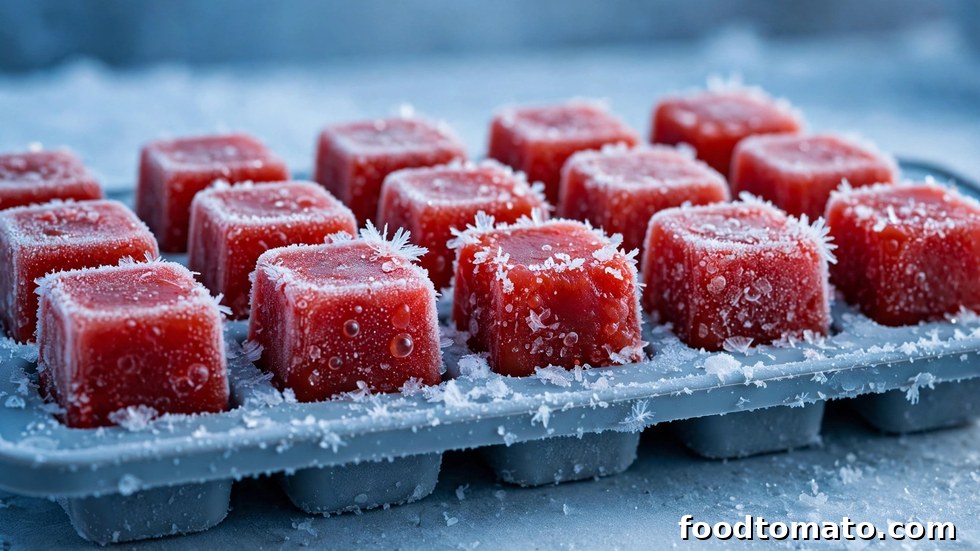
Short answer: yes, freezing ketchup works beautifully — and for a lot of home cooks it is the smartest preservation method of all. No canner, no processing times, no worrying about acidity or altitude adjustments. You cook your ketchup, cool it, portion it out, and freeze it. Months later it thaws into something that tastes remarkably like the day you made it. There are a few quirks to know — texture can shift slightly, and container choice matters — but once you understand them, the freezer becomes your no-stress backup for every batch that is too big for the fridge and not destined for the canner.
Why Freeze Instead of Can?
Canning is wonderful, but it demands a tested recipe, added acid, and a full afternoon with the water bath. Freezing asks for none of that. It is the right choice when your recipe is an untested family favorite with extra onions or peppers, when you only have a small surplus, when it is too hot to boil a canner for an hour, or when you simply want the freshest possible flavor — freezing preserves taste better than heat processing does. The trade-off is freezer space and a slightly softer texture after thawing, which a good stir fixes.
What You Need
- Your finished, fully cooled ketchup (never freeze it hot — it raises the freezer temperature and freezes unevenly)
- Freezer-safe containers: rigid plastic containers with tight lids, wide-mouth half-pint canning jars (leaving extra headspace), or heavy-duty freezer bags
- Ice cube trays (silicone works best) for small portions
- A baking sheet to freeze trays and bags flat
- Freezer tape or a permanent marker and labels with the date
- Optional: a straw or vacuum sealer for removing air from bags
Skip thin, flimsy containers and anything not labeled freezer-safe — they crack, leak, and let in freezer burn. Glass jars are fine only if they are straight-sided or wide-mouth (no “shoulders” that the expanding ketchup can break) and you leave a full inch of headspace, because ketchup expands as it freezes.
Step-by-Step: Freezing Your Ketchup
- Cook and cool completely. Finish your ketchup recipe, then cool it quickly — set the pot in a sink of ice water and stir until it reaches room temperature, then refrigerate until fully chilled. Cold ketchup freezes faster, which means smaller ice crystals and better texture.
- Choose your portion size. Think about how you actually use ketchup. Ice cube trays (about 2 tablespoons per cube) are perfect for adding to sauces and meatloaf. Half-cup containers suit a week of sandwiches. Pint containers work for a family that goes through ketchup fast.
- Fill containers, leaving headspace. Leave 1/2 inch of headspace in rigid containers and a full 1 inch in glass jars. For freezer bags, fill them only two-thirds full, press out as much air as possible, seal, and lay them flat.
- Freeze flat and fast. Set trays and flat bags on a baking sheet so they freeze in thin, stackable slabs. Do not stack warm containers — let each layer freeze solid first so everything freezes quickly.
- Package cubes for storage. Once ketchup cubes are frozen solid (4–6 hours), pop them out of the trays and transfer them to a labeled freezer bag, squeezing out the air. Flat slabs of bagged ketchup can be stood upright like files once solid.
- Label everything. Write the contents and the date on every container. Frozen ketchup all looks the same after three months, and “mystery red sauce” is how food gets wasted.
Freezer Storage Times
| Container type | Best quality | Still safe |
|---|---|---|
| Ketchup cubes in a sealed freezer bag | 6 months | Up to 12 months |
| Rigid containers or jars, airtight | 6–8 months | Up to 12 months |
| Flat freezer bags, air pressed out | 6 months | Up to 12 months |
Your freezer should hold at 0°F (-18°C) or below — check it with a freezer thermometer, because many household freezers run warmer than their dials suggest. At proper temperature, frozen ketchup stays safe indefinitely; the times above are about flavor and texture, not safety.
Thawing: Doing It Right
Thaw ketchup in the refrigerator, never on the counter — a pint container needs about 8–12 hours, cubes thaw in 2–3 hours. For cooking, you can drop frozen cubes straight into a hot pan of sauce or soup; they melt in minutes. Once thawed, refrigerate and use within 3–4 weeks, exactly like fresh ketchup. Do not refreeze thawed ketchup: each freeze-thaw cycle degrades texture and gives bacteria more opportunity.
Expect a little separation after thawing — a thin layer of liquid on top is normal. Stir it vigorously, or give it a 10-second blitz with an immersion blender, and it comes right back together. If it still seems thin, simmer it for a few minutes to re-thicken.
Tips for Best Results
Freeze in useful portions
The number one freezer mistake is freezing a giant container you will never finish before it spoils. Small portions thaw fast, waste nothing, and let you grab exactly what a recipe needs.
Keep air out
Freezer burn is dehydration plus oxidation, and air is what causes it. Press bags flat, fill containers near the top (respecting headspace), and double-bag cubes for long storage.
Cool before you freeze
Putting hot ketchup in the freezer warms everything around it, partially thaws neighboring food, and freezes the ketchup itself slowly — slow freezing makes large ice crystals and a grainier thawed texture. Chill first, always.
Troubleshooting
My thawed ketchup is watery. Is it ruined?
No — separation is the most common and most harmless freezer effect. Stir it hard or blend it briefly. If it is still thinner than you like, simmer it uncovered for 5–10 minutes, stirring often, until it thickens back up.
There are ice crystals on top. Is it freezer burn?
A few ice crystals are just surface frost — stir them in, they are only water. True freezer burn looks like dry, leathery, discolored patches and tastes flat and stale. Prevent it with airtight packaging; minor cases can be scraped off, severe cases should be discarded for quality reasons.
Can I freeze ketchup in the bottle it came in?
Only if it is a freezer-safe container with room for expansion. Narrow-neck glass bottles are the worst choice — expanding ketchup can crack them. Transfer to a proper freezer container instead; it takes two minutes and saves a mess.
Key Takeaways
- Yes, freezing works: it preserves flavor better than canning, needs no special equipment, and handles any recipe — tested or not.
- Cool ketchup completely first, freeze in small useful portions, and leave 1/2 to 1 inch of headspace for expansion.
- Use freezer-safe containers or flat freezer bags with the air pressed out; label everything with the date and use within 6–12 months.
- Thaw in the refrigerator, stir or blend to fix any separation, use within 3–4 weeks, and never refreeze.
The freezer is the most forgiving way to preserve homemade ketchup — no acidity math, no processing times, just good ketchup waiting for you whenever you need it. Try freezing your next batch in cubes and see how handy they are. And if you want a shelf-stable option for gifting or pantry storage, our water bath canning guide covers that method start to finish.