
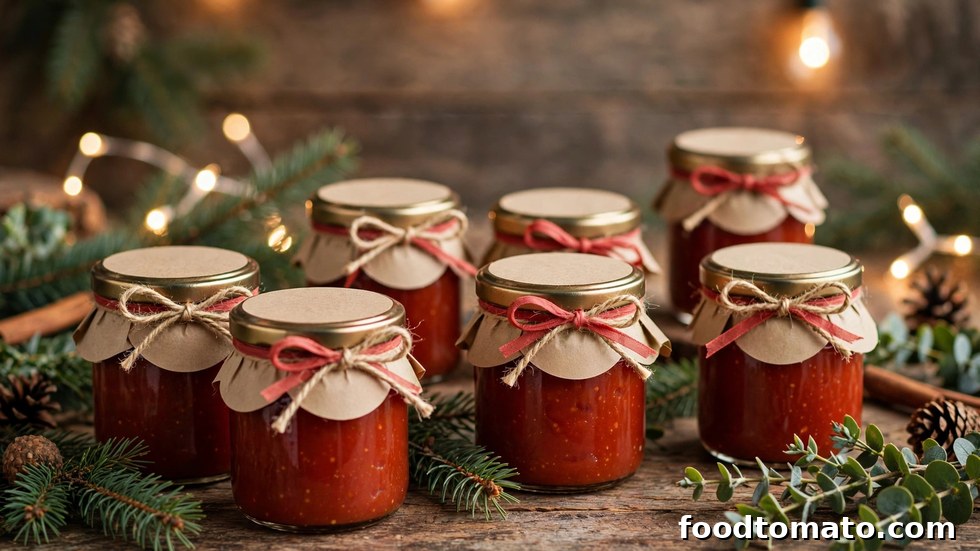
A jar of homemade ketchup with a thoughtful label stops being “something from the kitchen” and becomes a gift people remember — the kind that gets photographed before it gets opened. And labels are not just decoration: for your own pantry, a clear label with the date is the difference between confidently grabbing a jar and playing the guessing game at the back of the shelf. Whether you are wrapping a dozen jars for the holidays or just organizing your own stock, this guide covers what every label should say, how to make labels that survive pantry life, and how to present your ketchup as a gift worth giving.
What Every Label Must Include
Before the pretty design, get the essentials right. Every jar — gift or pantry — needs four pieces of information: what it is (“Smoky Chipotle Ketchup” beats just “Ketchup” when you make three varieties), when it was made (a full date, not “summer”), how to store it (“Refrigerate after opening” for canned jars; “Keep refrigerated” for fresh or fermented batches), and any allergen or ingredient notes that matter (“contains honey” for anyone avoiding it). If you canned the jar, the date also tells you when its 12-month best-quality window closes. Write these four things first; everything else is decoration.
Label Options: From Simple to Beautiful
Masking tape and marker
Do not underestimate the humble option. A strip of painter’s tape and a permanent marker is waterproof enough for the fridge, writes in seconds, and peels off cleanly for jar reuse. For your own pantry stock, this is honestly all you need.
Dissolvable canning labels
These look like proper labels but dissolve completely in warm water — no scraping, no sticky residue, jars ready to reuse in seconds. They are the practical favorite of serious canners who process dozens of jars a season and want them to look good without the cleanup penalty.
Printable adhesive labels
For gifts, printable labels are the upgrade: design once on your computer (there are free templates sized for mason jar lids and sides), print on water-resistant label sheets, and every jar looks professionally made. Include your “brand” — even a playful name like “Rosa’s Tomato Co.” — plus the flavor, date, and storage note. A laser printer’s output resists moisture better than inkjet.
Hang tags and fabric covers
The rustic classic: a circle of fabric over the lid tied with twine, plus a kraft-paper hang tag with handwritten details. It hides the utilitarian canning lid, looks gorgeous in a gift basket, and the tag has room for a personal note. Use a hole punch and sturdy string so the tag survives handling.
Making Labels That Last
- Apply to clean, dry jars. Any condensation or ketchup smear under a label becomes a peeling edge within days. Wipe jars with a dry cloth before labeling.
- Protect paper labels from moisture. A strip of clear packing tape over a paper label, or a coat of clear acrylic sealer, keeps fridge condensation and pantry humidity from turning your design into pulp.
- Label before filling when possible. It is far easier to apply a straight, smooth label to an empty jar than to one full of ketchup you are trying not to jostle.
- Put the date where you will see it. Side labels are prettier, but a date on the lid is visible when jars are stacked or lined up on a deep shelf. Many canners do both: pretty label on the side, date on the lid.
- Keep a master log. A simple notebook or spreadsheet with batch dates, recipes, and yields turns labeling from a chore into a system — and it is invaluable when a recipe needs tweaking next season.
Gifting: Presentation Ideas That Work
Homemade ketchup is an ideal gift because it is personal, useful, and impossible to buy in the same quality. A single half-pint jar with a nice label and a ribbon suits a dinner-party host. A trio of flavors — classic, smoky, and spicy — in a small box makes a memorable holiday gift. Pair a jar with a bag of good potato chips or a recipe card for your ketchup-glazed meatloaf, and the gift tells a story. For refrigerator-only batches (fresh or fermented ketchup), deliver them in person with a clear “keep refrigerated, enjoy within a month” note — and consider a small cooler bag if the drive is long.
One caution for gifts: only give shelf-stable canned ketchup to people who will store it at room temperature. Anything uncanned must be explicitly labeled as a refrigerator item with a use-by timeframe. Your friends trust your food; make the storage instructions impossible to miss.
Frequently Asked Questions
What should I write for the “best by” date?
For water bath canned ketchup, write the canning date and “best within 12 months.” For refrigerator batches, write the made date and “use within 3–4 weeks.” For frozen, the freeze date and “best within 6–12 months.” For fermented, the date it went into the fridge and “best within 3–6 months.”
How do I remove old labels cleanly?
Soak jars in hot soapy water for 20–30 minutes, then peel — most labels slide off. For stubborn adhesive residue, rub with a paste of baking soda and cooking oil, let it sit 10 minutes, and scrub. Dissolvable labels skip this entire chore.
Is it safe to gift canned ketchup?
Yes — if it was made with a tested recipe, proper acidification, full processing, and a verified seal, it is as safe as any commercial product. Include the ingredient list for anyone with allergies, and never gift a jar with a questionable seal.
Can I sell my homemade ketchup at a market?
That is a different game with real regulations. Most places have cottage food laws, but acidified and canned products often need a licensed commercial kitchen, pH testing, and specific labeling. Check your local and state requirements before selling a single jar — gifting to friends is unregulated; commerce is not.
Key Takeaways
- Every label needs four essentials: what it is, when it was made, how to store it, and any allergen notes — design comes second.
- Choose your label style for the job: tape and marker for the pantry, dissolvable labels for heavy canners, printable labels or fabric covers with hang tags for gifts.
- Apply labels to clean, dry jars, protect paper from moisture, and put the date where you will actually see it — the lid for stacked jars.
- Gift only properly canned ketchup as shelf-stable; label refrigerator batches clearly with storage instructions and a use-by timeframe.
A good label is the finishing touch that turns your hard work into something you are proud to shelve, share, and give away. Start with the essentials on every jar, dress up the ones meant for others, and keep that master log going. Now that your ketchup is preserved, stored, and beautifully labeled, explore our recipe collection for the next flavor to put up — your pantry (and your gift list) will thank you.