
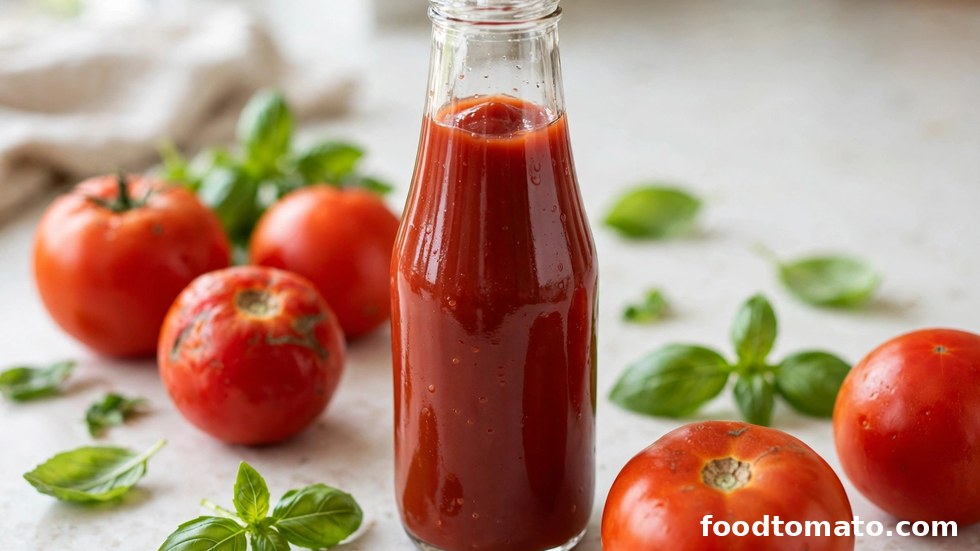
Walk down any condiment aisle and you will find the same warning repeated on label after label: “may contain wheat.” For the millions of people managing celiac disease or gluten sensitivity, even ketchup — a food most consider naturally safe — deserves a second look. The good news: truly gluten-free ketchup is easy to make at home, and this guide shows you exactly which ingredients to trust, which to question, and how to cook a batch you can serve with total confidence.
Table of Contents
- Where Gluten Hides in Ketchup
- Building a Safe Ingredient List
- Gluten-Free Ketchup Recipe
- Avoiding Cross-Contact in Your Kitchen
- Eating Out and Store-Bought Options
- Batch Cooking and Meal Prep
- Frequently Asked Questions
Where Gluten Hides in Ketchup
Plain tomatoes, vinegar, sugar, salt, and spices are all naturally gluten-free — so why do some commercial ketchups carry warnings? The culprits are usually:
- Distilled white vinegar — in the US it can legally derive from wheat (most celiac organizations consider distilled vinegar safe, but some people react to it).
- “Natural flavors” and spice blends — proprietary mixtures that occasionally use wheat as a carrier.
- Thickeners — modified food starch in cheap ketchups may come from wheat.
- Shared production lines — the biggest real-world risk, flagged by “may contain” labels.
Homemade ketchup sidesteps every one of these issues because you control each ingredient. If you follow a Whole30 or similar protocol, our Whole30-compliant ketchup follows the same careful-ingredient philosophy.
Building a Safe Ingredient List
For a guaranteed gluten-free batch, choose: certified gluten-free tomato paste or canned tomatoes (most plain canned tomatoes are safe, but check for advisory labels); apple cider vinegar or certified gluten-free distilled vinegar instead of generic white vinegar; single-ingredient spices (not blends) from reputable brands; pure cane sugar, honey, or maple syrup; and kosher or sea salt without anti-caking additives you cannot verify.
When in doubt, look for certified gluten-free labels — certification means the product tested below 20 ppm, the internationally recognized threshold. For a broader look at how ingredient quality shapes the final product, read why ingredients matter in ketchup.
Gluten-Free Ketchup Recipe
Makes about 2 cups. Every ingredient below is naturally gluten-free when sourced as described above.
- 1 can (12 oz) certified gluten-free tomato paste
- 1/2 cup apple cider vinegar
- 1/3 cup honey (or pure cane sugar)
- 1/2 cup water
- 1 tsp onion powder (single-ingredient)
- 1/2 tsp garlic powder (single-ingredient)
- 1/2 tsp kosher salt
- 1/4 tsp ground allspice
- 1/4 tsp ground cloves
- Pinch of cayenne (optional)
Instructions: Whisk everything together in a medium saucepan. Bring to a gentle simmer over medium heat, then reduce to low and cook 20–25 minutes, stirring frequently, until thick enough to coat a spoon. Cool completely, then transfer to a clean glass jar. That is it — no cooking expertise required, and the whole process takes under 30 minutes.
Taste before bottling. Want it tangier? Add vinegar a teaspoon at a time. Sweeter? Another drizzle of honey. The recipe is a template, not a cage — a principle we also explore in our myths-vs-facts breakdown.
Avoiding Cross-Contact in Your Kitchen
For celiac households, ingredients are only half the battle. Ketchup is a high-risk condiment for cross-contact because it is typically double-dipped: a knife touches bread, then dives back into the jar. Protect your batch with three habits:
- Dedicate the jar. Label one jar “GF ONLY” and never let bread touch it — squeeze bottles are even better since nothing ever goes back in.
- Use clean utensils. Wash the funnel, spoon, and jar in hot soapy water (or run them through the dishwasher) before filling.
- Cook it fresh. Making ketchup at home in a clean pot eliminates the shared-facility risk that plagues some commercial brands.
Eating Out and Store-Bought Options
When you cannot cook, certified gluten-free labeled ketchups from major natural brands are widely available. At restaurants, ask whether the ketchup is a squeeze bottle (safer) or an open ramekin that may have met a breaded onion ring. Fast-food packets are generally produced in dedicated runs and are a reasonable fallback — but when the stakes are celiac-level, your homemade jar is always the safest bet.
Batch Cooking and Meal Prep
Once you have a safe recipe, scale it with confidence. This formula doubles and triples cleanly — just use a wider pot (not a taller one) so evaporation keeps pace, and extend the simmer by 10–15 minutes per doubling. A triple batch yields about six cups, enough to stock the fridge and freeze the rest.
For freezing, pour cooled ketchup into ice-cube trays, freeze solid, then transfer the cubes to a labeled freezer bag. Each cube is roughly two tablespoons — perfect for single servings without thawing a whole jar. Frozen ketchup keeps its flavor for up to 6 months; thaw overnight in the fridge and whisk before serving.
Meal-prep users often pair a ketchup batch with a week of planned proteins. If you are cooking for specific macros, our keto-friendly ketchup and low-sodium ketchup use the same batch-cooking logic with different nutritional targets.
Frequently Asked Questions
Is all ketchup gluten-free?
Most plain ketchup is naturally gluten-free, but flavored varieties, some store brands, and anything with “natural flavors” or wheat-derived vinegar deserve scrutiny. When in doubt, make it yourself or buy certified.
Is distilled white vinegar safe for celiacs?
Most celiac organizations say yes — distillation removes gluten proteins. However, a minority of highly sensitive individuals react to it, which is why this recipe uses apple cider vinegar instead.
Can I use fresh tomatoes instead of paste?
Absolutely. Simmer 3 lbs of chopped fresh tomatoes until collapsed (about 40 minutes), blend, strain, and continue with the recipe — just expect a longer cook time to reach ketchup thickness.
How long does homemade gluten-free ketchup last?
Refrigerated in a clean jar, 3–4 weeks. The gluten-free status does not change the shelf life; acidity and refrigeration do the preserving work. See our homemade vs. store-bought comparison for more on what keeps ketchup safe.